
Lähi-idän levottomuudet näkyvät heti pumppuhinnoissa - näin säästät autoilun kuluissa
Published:
16.03.2026
Geopolitical uncertainty has already driven up fuel prices, and many Finns are currently looking for ways to manage their motoring costs. Saka, Finland's largest used car retailer, reminds us that through the right choice of vehicle and driving style, one can significantly lower these costs and make daily life more predictable.
"In the car trade, we cannot influence global politics, but we can influence the tools our customers use to face daily expenses. Many might now be considering whether their current car is becoming more expensive to keep than switching to a more modern, fuel-efficient model or an affordable all-electric vehicle," says Petri Poukkula, CEO of Saka.
Three clear ways to curb motoring costs
1. A modern, fuel-efficient car Internal combustion engine (ICE) cars with modern technology are significantly more economical than their counterparts from five or ten years ago. Lower consumption translates directly into savings at every fill-up.
- Example: An older petrol car with fuel at €2/litre and consumption of 8l/100km costs €16/100km. In contrast, a modern, low-emission petrol car consuming 4–5l/100km costs only €8–10/100km.
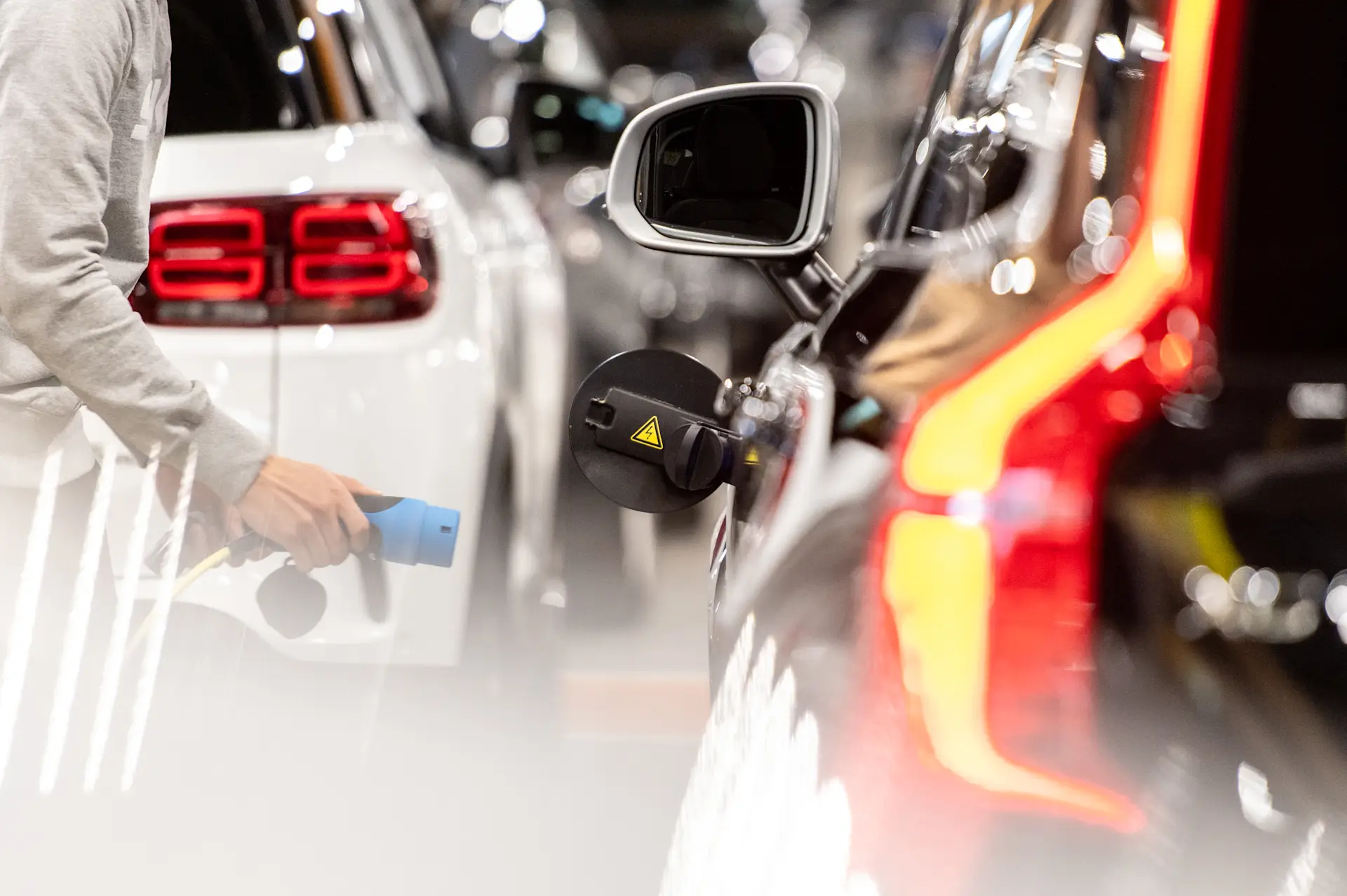
2. Electric driving Electric vehicles (EVs) have established their place as a highly economical alternative. As fuel prices rise, the savings for EV drivers compared to ICE drivers become even more pronounced.
- Example: While an older petrol car (8l/100km) costs €16/100km, an electric car costs significantly less. With typical charging costs (fixed electricity at 7c + transfer fees = 11c/kWh) and a consumption of 21kWh/100km, 100km of driving costs only €2.30.
3. Driving style and maintenance Whether you drive a combustion engine or an electric car, the most important tip for reducing consumption is managing your speed. Unnecessary overtaking, rapid acceleration, and added air resistance (such as a roof box) significantly increase consumption. Regular maintenance, the right tires, and correct tire pressure also reduce rolling resistance, so these should be the first things to check when looking to cut costs.
Realism and fuel prices
"When the price at the pump rises by, for example, €0.20 per litre, it means an additional monthly cost of about €20 for a typical driver covering 20,000 km per year. For most people, there is no cause for major concern," Poukkula continues.
"We calculate the total cost of ownership for our customers, which helps with their daily budgeting. For instance, the affordability of electric driving surprises almost everyone, as the daily running costs are very moderate. However, we continue to sell all fuel types as before, and the ongoing crisis has not had a negative impact on the automotive industry," Poukkula concludes.